Prevention is better than cure. Talk to our specialists today.
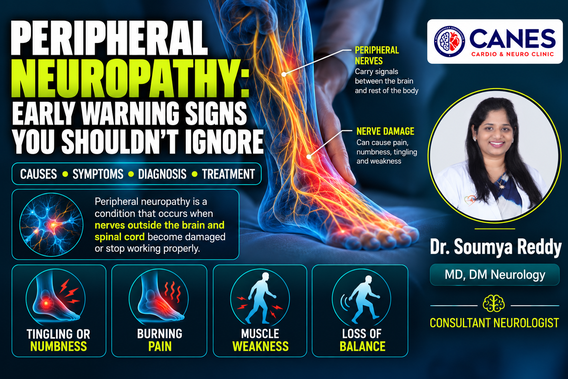
Have you ever experienced a burning sensation in your feet, unexplained tingling in your fingers, or numbness that does not go away? These symptoms may seem minor initially, but persistent or recurring changes in sensation can sometimes indicate a problem with the peripheral nerves.
Peripheral neuropathy is a condition that develops when nerves outside the brain and spinal cord become damaged or stop functioning properly. It can affect sensation, muscle movement, balance, and certain automatic body functions. While symptoms often begin in the feet or hands, they may gradually involve other areas of the body.
Diabetes is one of the most common causes of peripheral neuropathy, but nerve damage can also develop because of vitamin deficiencies, infections, autoimmune conditions, certain medications, and physical injuries.
Recognizing the early warning signs and identifying the underlying cause are important for managing symptoms and reducing the risk of complications. Understanding how peripheral neuropathy develops, how it is diagnosed, and what treatment options are available can help individuals make informed decisions about their nerve health.
Peripheral neuropathy refers to a group of conditions affecting the peripheral nervous system. This system consists of nerves that connect the brain and spinal cord to different parts of the body, including the arms, legs, muscles, skin, and internal organs.
These nerves carry messages in both directions. Some transmit information about pain, temperature, and touch to the brain, while others carry instructions from the brain to the muscles. Certain peripheral nerves also regulate automatic functions such as sweating, digestion, heart rate, and bladder control.
When these nerves are damaged, communication between the brain and body may become disrupted. This can lead to abnormal sensations, reduced muscle strength, or changes in bodily functions.
Peripheral neuropathy does not affect everyone in the same way. Some individuals experience mild tingling or occasional discomfort, while others develop persistent pain, numbness, or difficulties with movement.
The condition may develop gradually over several months or appear more rapidly, depending on its cause. Early medical evaluation can help identify treatable conditions and determine the most appropriate approach to managing symptoms.
The symptoms of peripheral neuropathy depend on which nerves are affected and how extensively they have been damaged.
In many cases, symptoms begin in the toes or feet before gradually spreading upward. As the condition progresses, similar sensations may develop in the fingers and hands.
One of the most commonly reported symptoms is a sensation of pins and needles in the feet, toes, fingers, or hands.
Some individuals experience intermittent numbness, while others notice persistent changes in sensation. In certain cases, the affected areas may feel less sensitive to touch, pressure, heat, or cold.
Peripheral neuropathy can produce burning, stabbing, shooting, or electric shock-like pain. The discomfort may occur even without an obvious injury.
For some individuals, symptoms become more noticeable at night and interfere with sleep. Light contact with clothing or bedsheets may also trigger pain when the nerves become unusually sensitive.
When nerves responsible for muscle movement are affected, individuals may experience weakness in their feet, legs, or hands.
This can make walking, climbing stairs, gripping objects, or maintaining balance more difficult. In some cases, weakness may contribute to frequent tripping or falls.
Reduced sensation in the feet can make it difficult for the brain to recognize the position of the body during movement.
As a result, some individuals may feel unsteady while walking, particularly in poorly lit environments or on uneven surfaces.
When autonomic nerves are affected, symptoms may include excessive sweating, reduced sweating, digestive problems, urinary difficulties, or dizziness when standing.
Not everyone with peripheral neuropathy experiences these symptoms. Their presence depends on the type of nerve damage and the underlying condition.
Persistent tingling, unexplained weakness, burning sensations, or loss of balance should be evaluated by a healthcare professional.
Peripheral neuropathy can develop because of several medical conditions and external factors. Identifying the underlying cause is an important part of diagnosis because treatment may differ depending on what has damaged the nerves.
Diabetes is a leading cause of peripheral neuropathy. Over time, elevated blood sugar levels and related metabolic changes can damage nerves and the small blood vessels that supply them.
Diabetic peripheral neuropathy commonly affects the feet and legs. Individuals may experience numbness, burning sensations, tingling, or reduced sensitivity to pain and temperature.
Maintaining blood sugar within an individually recommended range is important for reducing the risk of further nerve damage.
Certain vitamins are essential for maintaining healthy nerve function. A deficiency of vitamin B12, for example, may contribute to numbness, tingling, weakness, and balance difficulties.
Other nutritional deficiencies can also affect nerve health. However, taking excessive amounts of certain supplements, particularly vitamin B6, may itself cause nerve damage.
Vitamin supplementation should therefore be guided by medical advice rather than taken in high doses without identifying a deficiency.
Some autoimmune disorders cause the immune system to mistakenly attack peripheral nerves or surrounding tissues.
Conditions such as Guillain-Barré syndrome and chronic inflammatory demyelinating polyneuropathy can affect nerve function and may cause progressive weakness or sensory changes.
These conditions require appropriate specialist assessment, and rapidly developing weakness may represent a medical emergency.
Certain infections, including shingles, HIV, and some other infectious diseases, can contribute to peripheral nerve damage.
Kidney disease, liver disorders, thyroid problems, and some blood-related conditions may also affect nerve function.
Some medications, particularly certain chemotherapy drugs, may cause peripheral neuropathy as a side effect.
Excessive alcohol consumption, exposure to toxic chemicals, and injuries that compress or damage nerves can also lead to neuropathic symptoms.
In some cases, doctors may be unable to identify a definite cause despite appropriate investigations. This is known as idiopathic peripheral neuropathy.
Peripheral neuropathy can be classified according to the number of nerves involved and the functions those nerves perform.
Mononeuropathy occurs when a single peripheral nerve is affected. Carpal tunnel syndrome is a common example, involving compression of the median nerve at the wrist.
Multiple mononeuropathies involve damage to two or more separate nerves in different parts of the body.
Polyneuropathy affects multiple peripheral nerves and is the most common pattern of peripheral neuropathy. It often begins in both feet and may gradually extend into the lower legs and hands.
Peripheral neuropathy may also be described according to the types of nerves involved.
Sensory neuropathy primarily affects sensations such as pain, temperature, vibration, and touch. Motor neuropathy affects nerves responsible for muscle movements, while autonomic neuropathy involves nerves controlling automatic body functions.
Some people experience a combination of sensory, motor, and autonomic symptoms.
Understanding the type of neuropathy helps healthcare professionals determine which tests may be useful and which treatment strategies are appropriate.
Although peripheral neuropathy can affect people of different ages, certain health conditions and lifestyle factors increase the likelihood of nerve damage.
People with diabetes, particularly those whose blood sugar levels remain above their recommended targets, face an increased risk of developing diabetic neuropathy.
Individuals with vitamin B12 deficiency, thyroid disorders, chronic kidney disease, or autoimmune conditions may also be more susceptible.
Regular exposure to toxic substances, prolonged excessive alcohol consumption, and certain medications can contribute to peripheral nerve damage.
Some inherited neurological conditions can cause neuropathy within families. Repeated pressure on specific nerves, particularly during certain occupational activities, may also contribute to localized nerve problems.
Having one or more risk factors does not necessarily mean that peripheral neuropathy will develop. However, recognizing these factors can encourage earlier assessment when symptoms appear.
Diagnosing peripheral neuropathy involves identifying the pattern of nerve dysfunction and investigating possible underlying causes.
A healthcare professional generally begins by reviewing the patient’s symptoms, medical history, current medications, and any family history of neurological conditions.
During the neurological examination, the doctor may assess muscle strength, reflexes, balance, coordination, and the ability to detect touch, vibration, or temperature.
Blood investigations may help detect conditions associated with nerve damage.
Depending on the patient’s symptoms and medical history, doctors may recommend tests for blood sugar levels, vitamin B12 deficiency, thyroid function, kidney function, and other relevant conditions.
Additional investigations may be required when autoimmune, inflammatory, or other systemic diseases are suspected.
A nerve conduction study, commonly called an NCS, measures how effectively electrical signals travel through selected peripheral nerves.
This test may help identify certain patterns of nerve damage and determine whether the nerves responsible for sensation or movement are affected.
Electromyography evaluates electrical activity within muscles and can help distinguish some nerve disorders from conditions affecting the muscles themselves.
Not every patient requires an EMG or nerve conduction study. The decision depends on the examination findings, the suspected diagnosis, and the progression of symptoms.
Some forms of small-fiber neuropathy may not be detected by routine nerve conduction testing and may require additional specialized evaluation.
The purpose of these investigations is to understand the cause of symptoms and guide appropriate treatment rather than relying on symptoms alone.
Peripheral neuropathy treatment depends on the cause of nerve damage, the severity of symptoms, and the individual’s overall health.
There is no single treatment suitable for every type of neuropathy. In some cases, addressing the underlying cause allows symptoms to improve. In others, treatment focuses on controlling discomfort, maintaining mobility, and preventing additional complications.
When neuropathy is associated with diabetes, maintaining appropriate blood sugar control is an important part of treatment.
If a vitamin deficiency is identified, the doctor may recommend suitable dietary changes or supplementation. Patients with thyroid, kidney, autoimmune, or other medical conditions may require treatment directed at those disorders.
Nerve problems caused by compression or certain inflammatory conditions may require specific medical or specialist interventions.
Peripheral neuropathy can cause pain that differs from ordinary muscle or joint discomfort.
Depending on the patient’s condition, doctors may prescribe medicines such as duloxetine, amitriptyline, gabapentin, or pregabalin to help manage neuropathic pain.
These medicines have different indications, precautions, and possible side effects. They should be taken only under medical supervision, and patients should not change or stop prescribed treatment without professional advice.
Medication may help reduce pain, but it does not necessarily reverse the underlying nerve damage.
People experiencing weakness, poor balance, or difficulty walking may benefit from physiotherapy or rehabilitation.
Exercises and mobility training can help maintain strength, improve coordination, and reduce the risk of falls. Some individuals may require supportive footwear, braces, or walking aids.
Treatment is usually adapted to the patient’s symptoms, physical abilities, and underlying neurological condition.
Peripheral neuropathy may cause complications when nerve damage affects sensation, movement, or automatic body functions.
One important concern is the loss of protective sensation. When the feet become numb, a person may not immediately notice cuts, burns, blisters, or pressure-related injuries.
This is particularly important for individuals with diabetes because unnoticed wounds may worsen and increase the risk of infection.
Muscle weakness and impaired balance may also contribute to falls, especially among older adults.
Persistent nerve pain can interfere with sleep, physical activity, and emotional well-being.
Some individuals with autonomic neuropathy experience changes in digestion, blood pressure regulation, sweating, or bladder function.
Regular medical follow-up, appropriate foot care, and timely treatment of symptoms can help reduce the likelihood of avoidable complications.
Not every cause of peripheral neuropathy is preventable. However, managing certain medical conditions and following healthy habits may help reduce the risk of developing nerve damage.
For individuals with diabetes, regular blood sugar monitoring, appropriate treatment, and routine foot examinations are important preventive measures.
A balanced diet containing vegetables, fruits, whole grains, and suitable protein sources supports overall health. Foods containing vitamin B12, including dairy products, eggs, fish, meat, and fortified foods, can help maintain adequate intake.
People following vegetarian or vegan diets may need to discuss vitamin B12 intake with a healthcare professional.
Regular physical activity can support muscle strength, balance, and metabolic health. Exercise should be selected according to the individual’s medical condition and physical abilities.
Avoiding smoking, limiting alcohol consumption, and reducing unnecessary exposure to harmful chemicals are additional ways to protect general nerve health.
People with reduced sensation in their feet should inspect them regularly, wear comfortable, properly fitting footwear, and seek medical attention for wounds or unexplained skin changes.
These steps cannot guarantee prevention, but they may reduce certain risks and help prevent complications.
Occasional tingling can occur for several reasons and does not always indicate permanent nerve damage. However, repeated or persistent symptoms should not be ignored.
Consider a neurological consultation if you experience ongoing numbness in your feet or hands, unexplained burning sensations, frequent tingling, reduced grip strength, difficulty walking, or problems maintaining balance.
People with diabetes should also discuss new changes in sensation with their healthcare professional, even if the symptoms are not painful.
Early evaluation can help identify treatable causes, assess the extent of neurological involvement, and guide suitable management.
Seek emergency medical attention if weakness develops rapidly, spreads quickly, or is accompanied by breathing or swallowing difficulties. Sudden weakness affecting one side of the body, especially with facial drooping or speech problems, may indicate a stroke and also requires emergency care.
Neurological symptoms can have several different causes, so professional evaluation is important for an accurate diagnosis.
Location: 3rd Floor, Tapasavi Commercial Complex, Hitension Rd, Kondapur, Raghavendra Colony, Gachibowli, Hyderabad, Telangana – 500084.
Contact: +91 9014944654
Appointment Booking: CANES Clinic Official Portal
A: Early symptoms commonly include tingling, numbness, burning sensations, or reduced sensitivity in the toes and feet. Some individuals may also notice discomfort in their hands or experience unusual sensitivity to touch. These symptoms can develop gradually and may become more noticeable over time.
A: No. Although diabetes is a common cause, peripheral neuropathy can also develop because of vitamin deficiencies, autoimmune disorders, infections, certain medications, excessive alcohol use, inherited conditions, or physical nerve injuries. In some cases, the exact cause remains unknown.
A: Recovery depends on the underlying cause and the extent of nerve damage. Some forms of neuropathy may improve when a treatable cause is addressed. Other forms can be long-lasting and require continued symptom management. Treatment cannot guarantee complete reversal of nerve damage.
A: No. Some people experience burning or shooting pain, while others primarily notice numbness, tingling, muscle weakness, or reduced sensation. The symptoms depend on the types of nerves affected.
A: You should seek medical evaluation if tingling or numbness persists, repeatedly returns, spreads to other areas, or occurs with weakness or balance difficulties. Sudden or rapidly progressing neurological symptoms require urgent medical assessment.
Hyderabad's, Kondapur's leading Neuro specialists.

Our construction business is dedicated to delivering high-quality, innovative building solutions, every project is completed
08106874654
arapreddysoumya@gmail.com
Address: 3rd Floor, Tapasavi Commercial Complex, Hitension Rd, Kondapur, Raghavendra Colony, Gachibowli, Hyderabad, Telangana 500084
Copyright © 2026 All Right Reserved