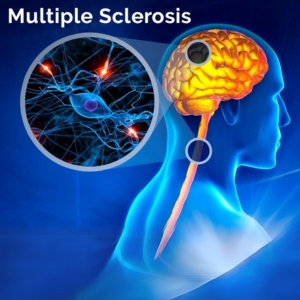
Multiple Sclerosis (MS) is a chronic neurological disorder that affects the central nervous system, including the brain, spinal cord, and optic nerves. In Multiple Sclerosis, the immune system mistakenly attacks the protective covering of nerve fibers called myelin, disrupting communication between the brain and the rest of the body.
Consult Dr. Soumya Arapreddy, MD, DM Neurology, Consultant Neurologist, for advanced Multiple Sclerosis treatment in Hyderabad. She provides comprehensive neurological evaluation and personalized treatment for demyelinating and autoimmune neurological disorders with compassionate and patient-focused care.
Multiple Sclerosis is considered an autoimmune demyelinating disorder in which the body’s immune system damages the myelin sheath surrounding nerve fibers. This damage interferes with normal nerve signal transmission and can lead to a wide range of neurological symptoms.
MS symptoms may vary greatly from person to person depending on the location and severity of nerve damage.
Common symptoms of Multiple Sclerosis include:
Symptoms may occur in episodes or gradually worsen over time.
The exact cause of Multiple Sclerosis is not fully understood, but several factors may contribute to the condition.
The immune system attacks the protective covering of nerves, leading to inflammation and nerve damage.
Diagnosis involves detailed neurological examination and imaging studies to identify demyelination in the central nervous system.
Early diagnosis and treatment can help slow disease progression and improve long-term neurological function.
Although Multiple Sclerosis cannot be completely cured, treatment focuses on managing symptoms, reducing relapses, and slowing disease progression.
Treatment plans are individualized depending on the patient’s symptoms and disease severity.
Several neurological disorders affect the myelin sheath and may show symptoms similar to Multiple Sclerosis.
ADEM occurs when the immune system attacks the brain and spinal cord following a viral or bacterial infection.
A rare demyelinating condition considered by some specialists to be a rare form of Multiple Sclerosis.
A hereditary neurological disorder affecting peripheral nerves responsible for muscle movement and sensation.
An autoimmune disorder that attacks peripheral nerves and often begins with weakness in the legs.
An autoimmune condition affecting the optic nerves and spinal cord.
A rare neurological disorder that mainly affects children and causes damage to the brain’s myelin sheath.
While Multiple Sclerosis may not always be preventable, healthy lifestyle habits may help support neurological health and reduce complications.
Early treatment and long-term neurological care can improve quality of life and functional ability.
You should seek neurological consultation if you experience:
Early neurological evaluation is important for accurate diagnosis and timely treatment.
Dr. Soumya Arapreddy, MD, DM Neurology, Consultant Neurologist, provides specialized neurological care for:
Visit CANES Clinic in Hyderabad for advanced Multiple Sclerosis treatment and comprehensive neurological care under the guidance of Dr. Soumya Arapreddy.
CANES Clinic provides expert neurology services for patients across Kondapur, Hitech City, Manikonda, Gachibowli, Madhapur, Kukatpally, and nearby areas. Visit our clinic today for specialized neuro care and advanced demyelinating disorder management.

Our construction business is dedicated to delivering high-quality, innovative building solutions, every project is completed
08106874654
arapreddysoumya@gmail.com
Address: 3rd Floor, Tapasavi Commercial Complex, Hitension Rd, Kondapur, Raghavendra Colony, Gachibowli, Hyderabad, Telangana 500084
Copyright © 2026 All Right Reserved