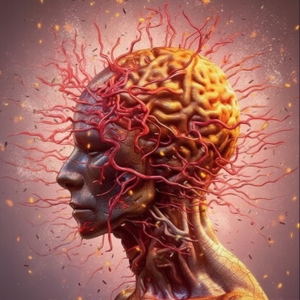
Epilepsy is a neurological disorder caused by abnormal electrical activity in the brain, leading to repeated seizures or fits. Seizures can affect awareness, movement, behavior, and body functions depending on the area of the brain involved. Epilepsy is a chronic neurological condition that can affect people of all ages and requires proper diagnosis and long-term management.
Consult Dr. Soumya Arapreddy, MD, DM Neurology, Consultant Neurologist, for advanced epilepsy treatment in Hyderabad. She provides comprehensive neurological evaluation and personalized treatment for epilepsy and seizure disorders with compassionate care and modern treatment approaches.
According to global health reports, epilepsy affects millions of people worldwide and is considered one of the most common neurological disorders.
Epilepsy can occur due to different medical and neurological conditions that affect brain function.
Certain types of epilepsy may run in families. Genetic abnormalities can affect communication between brain cells and increase the risk of seizures.
Head injuries caused by accidents, falls, or trauma can damage brain tissue and lead to epilepsy.
Infections such as meningitis, encephalitis, brain abscess, and neurocysticercosis can increase seizure risk.
Scarring in the temporal lobe of the brain may cause focal seizures and chronic epilepsy.
Certain autoimmune conditions may cause the immune system to attack brain cells, leading to seizure activity.
Brain tumors, stroke, congenital abnormalities, and metabolic disorders may also contribute to epilepsy.
Symptoms may vary depending on the type of seizure and the area of the brain involved.
Common symptoms include:
Some seizures may last only a few seconds, while others may continue for several minutes.
Diagnosis involves detailed neurological evaluation and tests to identify abnormal electrical activity in the brain.
EEG records electrical activity in the brain and helps identify abnormal seizure patterns.
MRI scans help detect structural abnormalities such as tumors, infections, scarring, or blood vessel problems.
CT imaging may be recommended in emergency situations or for further brain evaluation.
Blood investigations may help identify infections, metabolic disorders, or other medical causes.
Treatment depends on the type, frequency, and cause of seizures. Early diagnosis and regular treatment can help many patients control seizures effectively and improve quality of life.
Some patients may require long-term medication to prevent recurrent seizures, while others may benefit from advanced neurological procedures.
Although epilepsy cannot always be prevented, certain precautions can help reduce seizure triggers and complications.
Proper medical care and early treatment can help reduce seizure frequency and improve long-term neurological health.
Seek neurological consultation if you experience:
Early neurological evaluation is important to prevent complications and improve seizure control.
Dr. Soumya Arapreddy, MD, DM Neurology, Consultant Neurologist, provides specialized treatment for:
Visit CANES Clinic in Hyderabad for advanced epilepsy treatment and comprehensive neurological care under the guidance of Dr. Soumya Arapreddy.
CANES Clinic provides expert neurology services for patients across Kondapur, Hitech City, Manikonda, Gachibowli, Madhapur, Kukatpally, and nearby areas. Visit our clinic today for specialized neuro care and advanced epilepsy management.
Our construction business is dedicated to delivering high-quality, innovative building solutions, every project is completed
08106874654
arapreddysoumya@gmail.com
Address: 3rd Floor, Tapasavi Commercial Complex, Hitension Rd, Kondapur, Raghavendra Colony, Gachibowli, Hyderabad, Telangana 500084
Copyright © 2026 All Right Reserved